
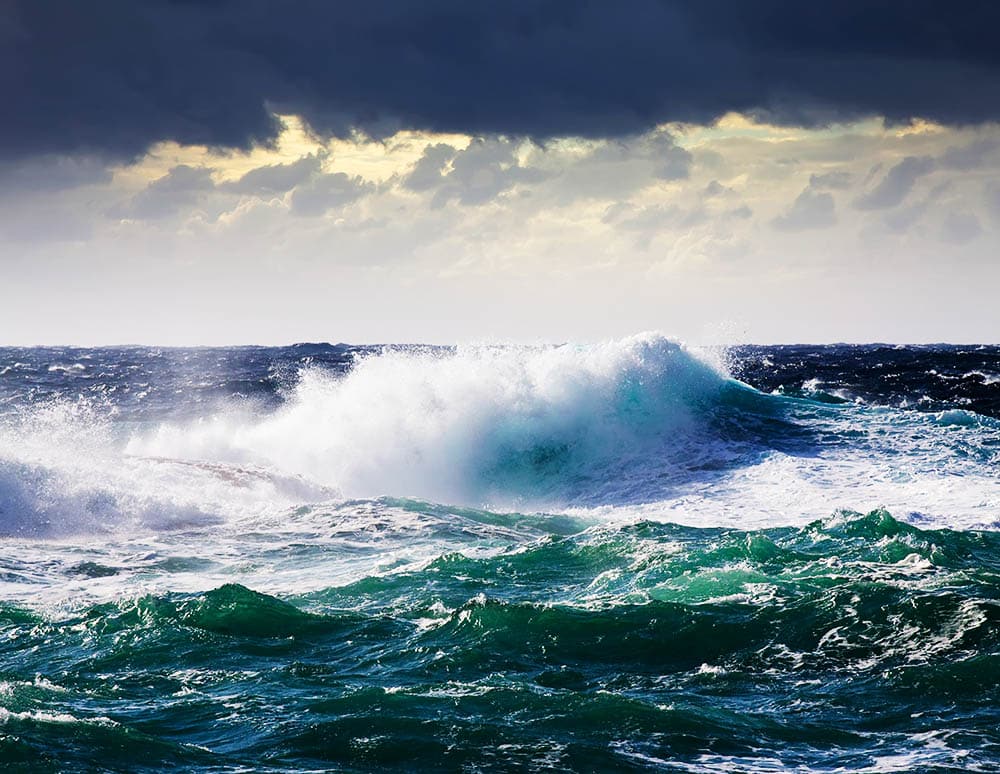
The world’s oceans have been a source of fascination and awe for millennia, inspiring myths and legends, and providing people with livelihoods, food, and recreation. But beyond their undeniable beauty, oceans also play a crucial role in regulating the Earth’s climate, providing oxygen, and supporting biodiversity. Sadly, however, humanity has taken oceans for granted for too long, and now they are threatened by pollution, overfishing, climate change, and other human activities. In this article, we will explore why protecting our oceans is essential for the health of the planet and what we can do to save them.
The Importance of Oceans for the Planet
Oceans are vast bodies of water that cover more than 70% of the Earth’s surface, and they play an essential role in shaping the planet’s climate and weather patterns. The ocean absorbs a significant amount of solar radiation and carbon dioxide from the atmosphere, regulating the temperature and acidity of the planet. Additionally, the ocean is the main driver of the water cycle, which distributes precipitation and supports terrestrial ecosystems and agriculture.
Moreover, the ocean is one of the most biodiverse and productive ecosystems on Earth, supporting a vast array of organisms, from microscopic plankton to giant whales. Many marine species have become essential components of the human diet, and fishing and aquaculture support millions of people worldwide. Furthermore, the ocean is a source of inspiration and recreation for people worldwide, offering opportunities for tourism, sports, and leisure activities.
Despite their importance, oceans are facing multiple threats from human activities. Pollution from land-based activities and offshore drilling, plastic waste, overfishing, and the effects of climate change are posing serious risks to the health of the ocean and the organisms living in it. Consequently, the degradation of oceans can have direct and indirect impacts on human well-being, including food insecurity, loss of jobs, and health problems.
The Effects of Climate Change on Oceans
One of the most pressing threats to the oceans is climate change, which is causing unprecedented changes in the temperature, acidity, and circulation of the ocean. As the Earth’s atmosphere warms, the ocean absorbs a significant portion of the excess heat, causing sea-level rise and intensified storms. Furthermore, the increased CO2 emissions caused by human activities are leading to ocean acidification, which affects marine organisms’ ability to build shells and skeletons, threatening the biodiversity and productivity of the ocean.
Additionally, climate change is causing changes in the distribution and abundance of marine species, affecting ecosystem functions and the livelihoods of people who depend on them. Coral reefs, which are some of the most biodiverse marine habitats, are particularly vulnerable to climate change, and are experiencing widespread bleaching and mortality. All these changes in the oceans’ functioning have ripple effects across the planet, threatening the balance and stability of the Earth’s climate system.
The Need for Ocean Conservation and Restoration
Given the essential role of oceans in regulating the Earth’s climate and supporting biodiversity and human well-being, it is crucial to take action to protect and restore them. Numerous initiatives are underway globally to address ocean conservation and restoration, from local efforts to large-scale international agreements. Some of the key areas of action include:
– Reducing plastic pollution and marine debris: Plastic waste is one of the most visible and harmful forms of ocean pollution, with millions of tons of plastic entering the ocean each year. Reducing plastic consumption and improving waste management practices can help prevent plastic pollution and protect marine organisms.
– Addressing climate change: Given the severity of its impacts on oceans, addressing climate change is crucial for ocean conservation. Promoting the use of renewable energy, reducing emissions from transportation and industry, and supporting ecosystem-based approaches to adaptation can help mitigate the impacts of climate change on oceans.
– Promoting sustainable fishing and aquaculture: Fishing and aquaculture are essential for many people’s livelihoods and food security, but unsustainable practices can damage marine ecosystems and deplete fish populations. Promoting sustainable fishing practices, such as regulating fishing methods, enforcing catch limits, and supporting the use of technology for more efficient and selective fishing, can help protect marine biodiversity and enable sustainable use of marine resources.
– Protecting marine habitats and biodiversity: Protecting marine habitats such as coral reefs, sea grass beds, and mangroves can help preserve biodiversity and ensure the functioning of marine ecosystems. Implementing marine protected areas, reducing the impacts of coastal development, regulating shipping traffic, and promoting responsible tourism can all help protect marine habitats and biodiversity.
Conclusion
In conclusion, protecting and restoring our oceans is essential for the health and well-being of the planet and its inhabitants. Addressing the multiple threats to the oceans, from plastic pollution to climate change, requires collective action and commitment from individuals, communities, governments, and industry. By taking concrete steps to reduce our impact on the ocean and promoting sustainable practices, we can ensure a healthy and thriving ocean for generations to come.