
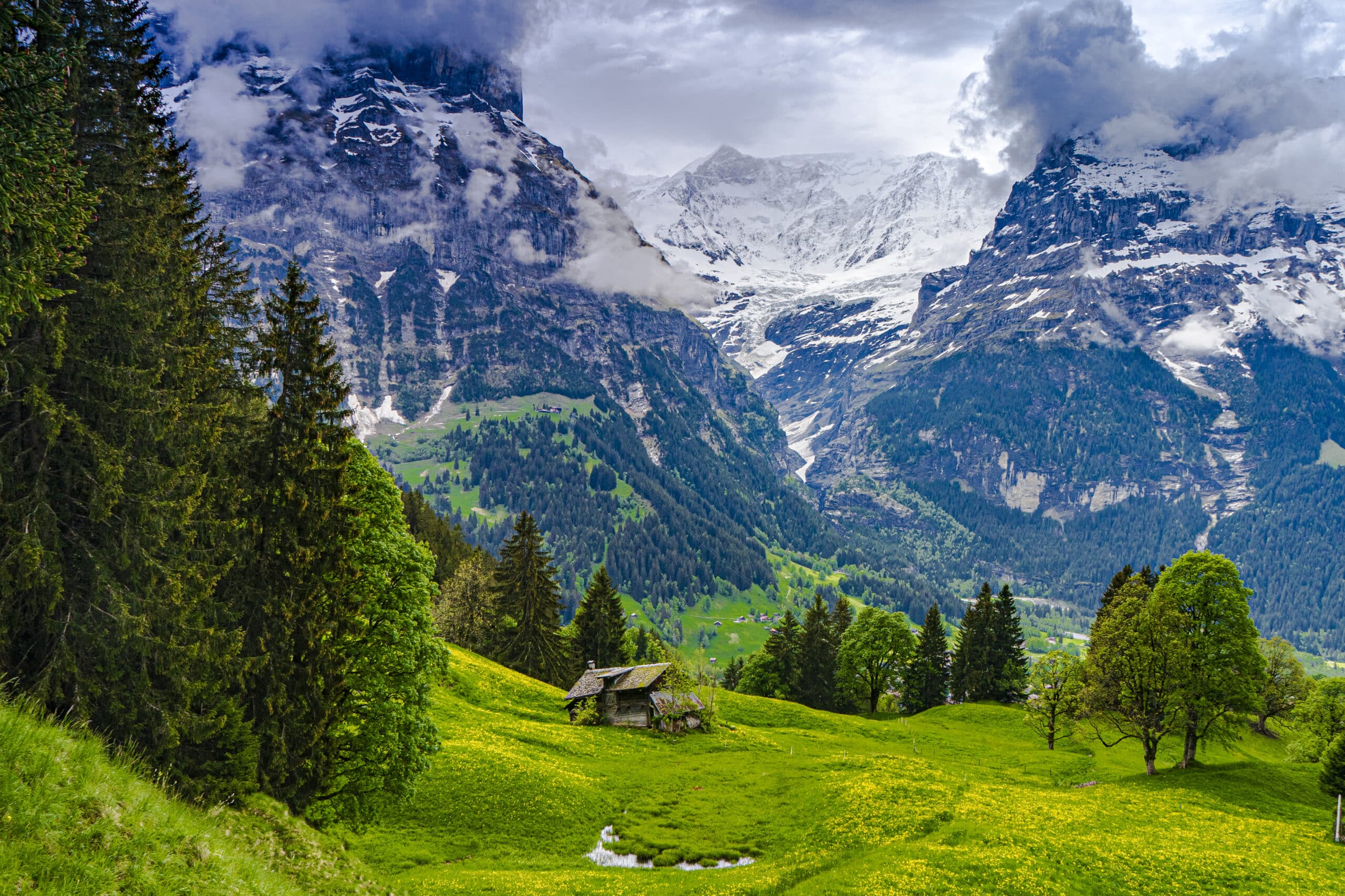
The environment is the most precious resource at our disposal. Yet, human activity has over the years caused degradation and destruction to ecosystems worldwide. This degradation is leading to a loss of biodiversity, degraded land, and increasingly severe impacts of climate change. To mitigate the negative effects of human activities on the environment and help ensure a sustainable future, investing in protected areas is becoming more and more crucial.
The Significance of Protected Areas
Protected areas are areas that are set aside for the conservation of the earth’s natural landscapes, wildlife, and cultural heritage. They are designed to help safeguard and maintain ecosystems’ biological and ecological processes and to provide long-term benefits in sustainable human activities. Protected areas have a range of values, including the conservation of biodiversity, wildlife habitat, and ecosystem processes, which provide critical services such as clean water, air quality, and carbon storage.
Benefits of Investing in Protected Areas
Investing in protected areas offers multiple direct and indirect benefits to the environment, local communities, and the economy. Here are some benefits of investing in protected areas:
Preservation of Biodiversity
Protected areas are critical to safeguarding biodiversity. Through conservation of natural habitats, they provide a space for ecosystems to thrive and enable species to survive their natural environment pressures. As such, through protected areas, humans can protect against the loss of biodiversity caused by activities like deforestation, urbanization, mining, and pollution.
Carbon Sequestration and Climate Regulation
Protected areas have a vital role in regulating the Earth’s climate. Forests, which make up most protected areas, act as carbon sinks, absorbing carbon dioxide from the atmosphere and locking it away in vegetation and soil. They help regulate local and global climate patterns by contributing to the delicate balance of atmospheric gases, and without them, the Earth may experience more severe changes to climate patterns.
Economic Opportunities
Protected areas provide a broad range of economic benefits to local communities, often in the form of tourism.The presence of natural reserves in specific locations can promote rural development and lead to increased tourist revenue. In the process, jobs are created, and income is generated, which helps support the economic well-being of the area’s residents.
Challenges to Investing in Protected Areas
While the benefits of investing in protected areas are clear, achieving that goal has not been easy. Here are some challenges that have impeded investments in protected areas:
Inadequate Funding
Policies that support investments in protected areas require sufficient funding, which is often lacking. Governments, international organizations, and private organizations prioritize funding towards other sectors. For instance, funding for infrastructure projects sometimes supersedes funding for protected areas. This lack of funding often means that protected areas may lack proper infrastructure necessary for conserving natural resources and improving overall visitor experience.
Policy Implementation
The proper implementation of policies that support investments in protected areas can be challenging. Even when policies provide funding, there are many factors to consider when implementing them. These can include local regulations, capacity building, community engagement, and support from stakeholders.
A lack of political commitment, particularly from policymakers and critical stakeholders, makes it difficult to implement necessary policy changes.
Human Behavior
Human behavior has caused significant changes to natural habitats, a factor that must be addressed to increase investments in protected areas. People often engage in activities such as illegal hunting, habitat destruction, and indiscriminate use of resources, which can cause harm to biodiversity and ecosystems.
What Can Be Done to Protect Protected Areas?
Protecting protected areas requires collective effort. All of us have a role to play in protecting natural resources, and there are specific things we can do to contribute to the conservation of natural habitats. Below are some effective ways of protecting protected areas:
Strengthening Policies
Government policies that support investments in protected areas will need to be formulated, implemented, and strengthened. This could involve increased allocations of funding, developing strict regulations, and incorporating a human rights-based approach. Governments should offer incentives to parties interested in investing in protected areas.
Engaging Local Communities
Engaging local communities has proved to be an effective approach to protected areas’ conservation. Involving local communities in conservation activities can aid in developing a sense of ownership and responsibility over natural resources. The engagement of local communities will contribute to important information about the ecosystem, increase awareness, and sensitize local communities towards the conservation of natural habitats.
Encouraging Sustainable Tourism
Sustainable tourism is imperative for investments in protected areas to be sustained. It can generate substantial financial resources that can support conservation efforts. Sustainable tourism can also provide employment opportunities to local communities while allowing for the natural environment’s preservation.
Conclusion
Investing in protected areas is essential to the sustainable future of our planet. Protecting natural habitats and biodiversity is not only vital for the survival of wildlife and ecosystems but also for humans. Enhancing regulation, policy implementation, and community involvement can help safeguard protected areas. We all have a shared responsibility to act together and make efforts to sustainably secure our planet’s remaining natural environments to ensure a future for our children and generations to come.